All of the Following Macromolecules Are Polymers Except
The monomer units of macromolecules are polar in nature with their heads and tails with different physical and chemical properties. What group of macromolecules does it belong to and what are the components of triglycerides.

Biochemistry Exit Tickets Biochemistry Student Self Assessment High School Biology Classroom
To Keep Reading This Answer Download the App.
. Answered Aug 29 2019 by KitKat. Each of the following molecules is a polymer except. 12 All of the following are considered to be polymers except.
All of the following are macromolecules in living tissue except. When all the subunits are of the same type the macromolecules are called polymers and the subunits are monomers. Thyroxine controls the metabolism of the following Macromolecules except 1 Carbohydrates 2 Fats 3 Proteins 4 Nucleic acids Chemical Coordination and Integration Zoology Practice questions MCQs Past Year Questions PYQs NCERT Questions Question Bank Class 11 and Class 12 Questions NCERT Exemplar Questions and PDF Questions with answers solutions.
We review their content and use your feedback to keep the quality high. Review from Google Play. All of the following organic compounds are polymers EXCEPT.
Question 4 2 points All of the following are true statements regarding macromolecules EXCEPT. Nucleic acids are made up of monomers called nucleotides. When the subunits are of different types they are simply referred to as macromolecules.
These macromolecules are polymers and are made up of monomer units. Link between each DNA base and an amino acid in a protein. To Keep Reading This Answer.
Proteins can be broken down into m called amino acids. The term macromolecules refers to large molecules that are built from smaller subunits. Leave a Reply Cancel reply.
Which of the following is not associated. When all the subunits are of the same type the macromolecules are called polymers and the subunits are monomers. All of the following are polymers except.
Typically all the monomers in a polymer tend to be the same or at least very similar to each other linked over and over again to build up the larger macromolecule. D Fat is not a true polymer. Who are the experts.
All of the following macromolecules are polymers EXCEPT A lipids. Asked Aug 29 2019 in Biology Microbiology by hquerns. Block of a polymer is an A.
All of the following macromolecules are polymers EXCEPT A lipids. All polymers are macromolecules but all. Proteins are among the most diverse group of macromolecules because of the.
Two or more polymers linked together are called monomers. Macromolecules are also termed as polymers. Monomers are converted into polymers is called polymerization.
So all polymers are macromolecules but not all macromolecules are polymers. The process by which the simple molecule ie. All of the following are characteristics of macromolecules EXCEPT.
They all ave the exact same 3d shape. The conversion of lactose to glucose and galactose involves the addition of which of the following molecules to the lactose molecule. All of the following items could apply to this graph except.
All the following polymers are produced by addition polymerization except A polyethylene. Option c Glucose is correct answer. The term macromolecules refers to large molecules that are built from smaller subunits.
All the macromolecules are the result of the process of polymerization a process in which repeating subunits termed monomers are bound into chains of different lengths except Updated On. Macromolecules are so huge that these are made up of more than 10000 or more atoms. 12-03-2022 This browser does not support the video element.
A DNA B cellulose C glucose D starch. All of the following are macromolecules EXCEPT. Macromolecules - Macromolecules are very large molecules that are formed by the polymerization.
All of the following are examples of macromoleculespolymer except Nucleic acid Polysaccharides Lipids Proteins. Which of the following is a macromolecule but not polymer a nylon 66 B Bakelite C polyester D chlorophyll. All of the following are examples of lipids EXCEPT Acholesterol Bpheromones Cglucose Dsteroids.
Your email address will not be published. Carbohydrates Proteins and Nucleic Acids are polymers. Explain how macromolecules are involved in passing traits from parents to offspring.
The monomers are all nucleotides. All of the following are macromolecules except. Experts are tested by Chegg as specialists in their subject area.
All of the following organic compounds are polymers EXCEPT A starch B cellulose C polypeptide D glycine E glycogen Cracking the AP Biology Exam Chapter 2. There are four major types of macromolecules present in nature and that are carbohydrates polysaccharides proteins lipids and nucleic acids. A triglyceride is a polymer.
All of the following are part of a carbohydrate EXCEPT a. Carbohydrates are made up of linked polymers called. All of the following macromolecules are polymers EXCEPT a.
They are formed by the polymerisation of molecules such as carbon hydrogen and oxygen. The monomeric unit of polysaccharides is mainly glucose of protein is amino acids of nucleic acid is nucleotides and. Pcan be broken down into monomers.
These simple monomers can be linked in many different combinations to produce complex biological polymers just as a few types of Lego blocks can build anything from a house to a car. Different amino acids that can be connected in many sequences. Why all macromolecules are not polymer.
B cellulose More questions like this. All of the following compounds are polymers of glucose except.

Seventh Grade Lesson Macromolecules Foldable Macromolecules Biology Activity Biology Lessons

Organic Compounds Stations Macromolecules Macromolecules Life Science Lessons Task Cards

Pin By Ally On High School Biology Biology Lessons Teaching Biology Teaching Chemistry

Polymers Are Always Macromolecules But Macromolecules Are Not Always Polymers Explain

This Activity Requires Students To Make A Graphic Organizer Or Concept Map On The Four Major Macromolecules Found In Concept Map Biology Activity Biochemistry

Pin On School Biology

Pin On Biology

Polymers Are Always Macromolecules But Macromolecules Are Not Always Polymers Explain
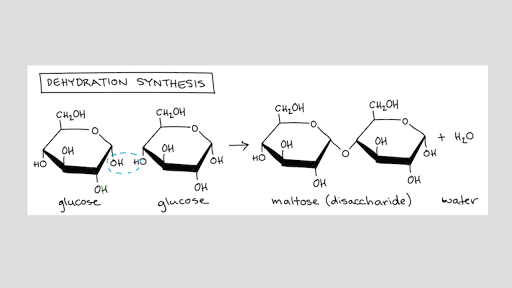
Introduction To Macromolecules Article Khan Academy

Macromolecule Biochemistry Activity For Ap High School Biology Distance Learning Biology Classroom Biology Activity Teaching Biology

Pin On Student Teaching

Stemthusiast Biology Notes In 2022 Biology Notes Biology Covalent Bonding

Properties And Uses Of Thermo Set Plastics It Cast Plastic Epoxy Resin

Macromolecule Worksheet Quiz Includes Key Worksheets Worksheet Template Biology Worksheet

Pin On Stem Or Steam

Properties Of Polymers Boundless Chemistry
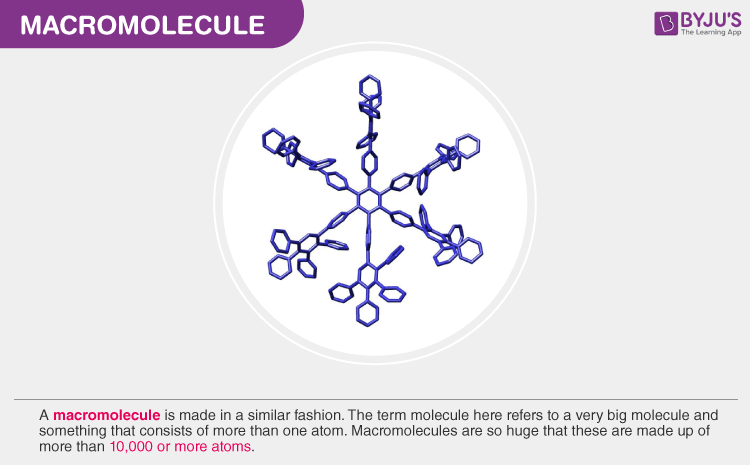
Macromolecules Types And Examples Of Macromolecules

Macromolecules Large Molecules In Living Cells Are Known As Macromolecules Giant Molecules Macromolecules Are Made By Macromolecules Molecules Chemistry

Biology In 24 Hrs Macromolecule Concept Map Concept Map Macromolecules Macromolecules Biology


Comments
Post a Comment